
Major League Baseball (MLB) recently announced the implementation of the Automated Ball-Strike (ABS) challenge system for the upcoming 2026 season, igniting mixed reactions amongst fans and players alike.
Introduced at spring training in 2025, the ABS system is not going to be used on every ball or strike call, but rather an option for teams to use if they disagree with the umpire’s decision. If a player disagrees with a call, they can tap their helmet or hat to request a challenge; then the umpires will use ABS to determine the correct outcome.
Communications High School (CHS) television teacher Nicholas Pellicano is excited to see ABS added to the MLB regular season, but thinks the ABS system may not always be necessary.
“I think that a lot of times we see the batter get angry at a called strike three and throw his bat. [However], a lot of times it is [actually] a strike,” Pellicano said. “They’re going to challenge, and it’s going to be a wasted challenge.”
Pelicano doesn’t think it will be all bad, though.
“If we can fix those egregious missed calls by umpires at the end of games, that’s a good thing, so I’m all in favor,” Pellicano said.
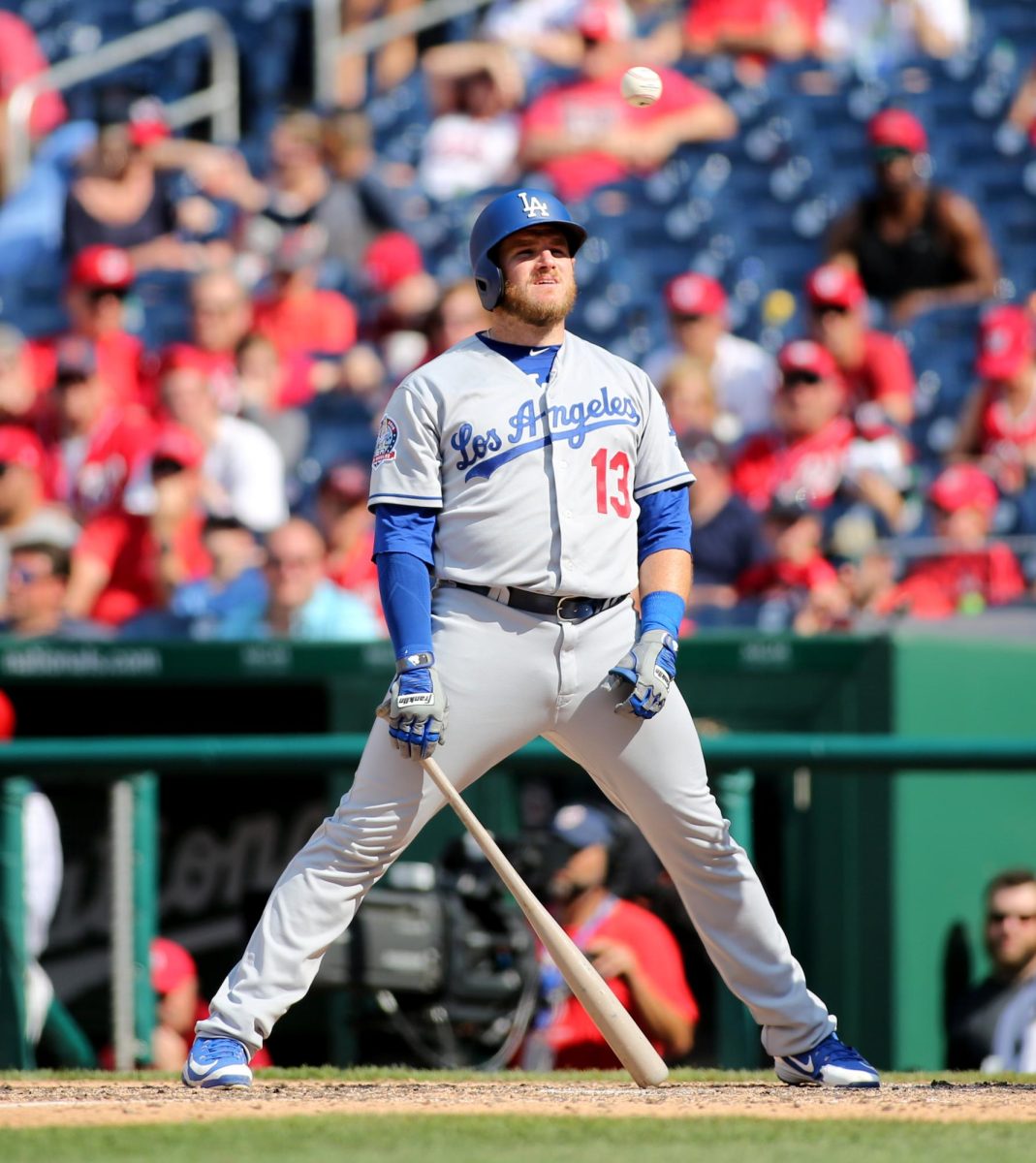
On February 20, 2025, Los Angeles Dodgers third baseman Max Muncy was the first player impacted by the new rule after Chicago Cubs pitcher Cody Poteet successfully challenged a pitch that had been called a ball. Although the call was sustained and deemed a ball, Muncy had positive thoughts about the new system overall.
“The idea of it’s cool, but we’ll see how it progresses,” Muncy said in an interview.
However, the implementation of ABS is not widely accepted
Philadelphia Phillies starting pitcher and two-time All-Star Walker Buehler is not in support of the rule change. Buehler believes veteran pitchers, or players who have been in the MLB for prolonged periods of time, have earned wider zones than younger stars.
Similar to Buehler, CHS math teacher Scott Stengele isn’t ready to fully believe in this new technology yet.
“You’d like to trust that what they’re showing you is true and correct, but I’m not sure if I trust that either,” Stengele said.
This concern comes from the inaccuracies between strike zones shown on different broadcasts. Several people have expressed their disdain for the incorrectly placed zone shown on TV, also known as the K-Zone. The top edge goes no higher than the batter’s belt, when it should be about half a foot higher. The game is misrepresented to fans when they see pitches called a ball, that looked like a ball, but was actually a strike, and vice versa.
Framing, the technique catchers use to receive a pitch in a way that makes it more likely to be called a strike, may disappear with this new system. According to Statcast, catcher Jose Trevino of the New York Yankees led the MLB with a +16 strike rate runs saved from framing alone in 2022.
With ABS removing the human element of umpire judgment, the value of this skill will essentially disappear. Without framing, catchers will now need to prioritize blocking, game-calling and throwing to improve defense.
This new system is a dual-sided topic for sure, and its imminent future is uncertain with some of the technology malfunctions that have been seen in sports over the years. Regardless, ABS is likely going to be loved and hated no matter what, so all that can be done is to watch everything unfold.