
With new technology allowing for photography to be made in seconds without a camera, it has now become harder than ever before to know what is real. Once considered visual proof of reality, photojournalism now faces new questions as artificial intelligence (AI) makes fabrication indistinguishable from fact.
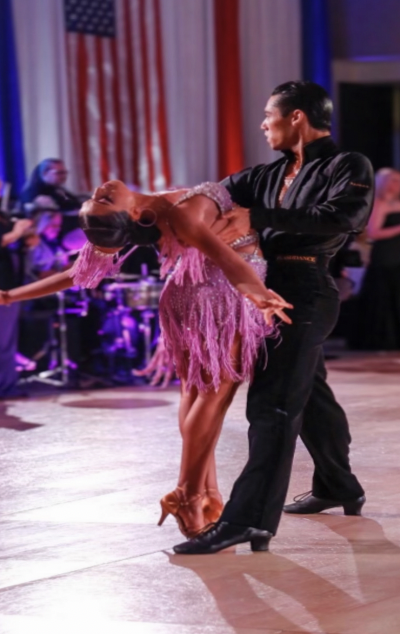
For decades, the field has seamlessly used photography to document reality and inform the public while inspiring social change. Photojournalism is a powerful form of storytelling that records real events as they unfold, using light, composition and timing to capture moments that are genuine and deeply human. It inspires empathy and awareness by connecting audiences to human struggles, triumphs and critical global issues.
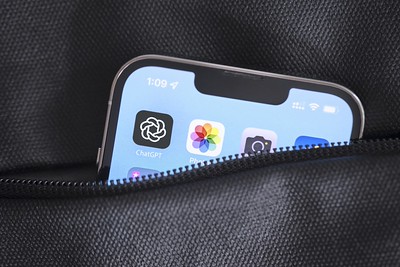
Just as AI challenges the authenticity of photographs, its influence extends far beyond journalism, shaping how people create, consume and perceive media in daily life. Rapidly expanding, AI now operates as a transformative influence woven throughout virtually every part of modern society.
Many students have mixed feelings about the use of AI in art and media. Junior Emily Oehlmann of Brielle, who is currently enrolled in Visual Journalism, worries that AI can undermine the educational process.
“Some of the main issues with AI are that when you use it, it’s defeating the whole purpose of you doing the work yourself and learning how to do your work,” Oehlmann said.
She also fears that AI will drastically alter future careers in photojournalism.
“I think this job will change in the future by AI being able to create made-up pictures that are so realistic that it looks like they might’ve been taken at the real event,” Oehlmann said.
Freshman Quinn Morrison of Wall says she can usually spot AI-generated images because they appear “almost perfect.” On the other side of the aisle, freshman Suzette Fretz of Wall notes that spotting generative images isn’t always that simple, but minor details like unnatural eye positions or hair movement can give them away.
“It can be kind of difficult sometimes,” Fretz said. “It’s kind of unsettling, seeing AI art and AI actors in commercials, also with the AI writers that are actively stealing jobs.”
While students may use AI for more practical purposes, such as drafting emails or brainstorming ideas, freshman Madison Morrison of Wall emphasized her belief that using the tool for creative work is harmful.
“It’s taking away from the creative process and creativity entirely,” Madison Morrison said.
AI is reshaping photojournalism, changing jobs and altering the way news is produced. By prioritizing ethical standards, verification and transparency, the industry can adapt, recover from its current crisis and continue providing authentic storytelling that documents reality and informs society.
Ultimately, the concern about perfection in AI-driven art reflects a broader human truth.
“Art isn’t supposed to be perfect, that’s what makes it human,” Quinn Morrison said.