

At the start of President Donald Trump’s term, it was said that “From this day forward, our country will flourish and be respected again all over the world. We will be the envy of every nation, and we will not allow ourselves to be taken advantage of any longer. During every single day of the Trump administration, I will, very simply, put America first.”
Prior to the Trump administration’s dissolution of the Agency for International Development (USAID), the United States was by far the largest donor of foreign aid in the world, with over $45 billion being spent overseas in 2023, according to reports by ForeignAssistance.gov. Although complete fiscal records do not currently exist for 2025, established budgets suggest this number was likely a quarter of what it was in prior years, despite foreign aid accounting for not even a percent of the total tax dollars spent by the government in 2023.
In a world where international conflict has created a record demand for military supplies and humanitarian aid, these changes highlight the broader importance of American foreign policy as well as the impacts even its most minute aspects have at home and abroad. In spite of this, Americans remain divided in priorities due to both partisanship as well as a lack of insight.
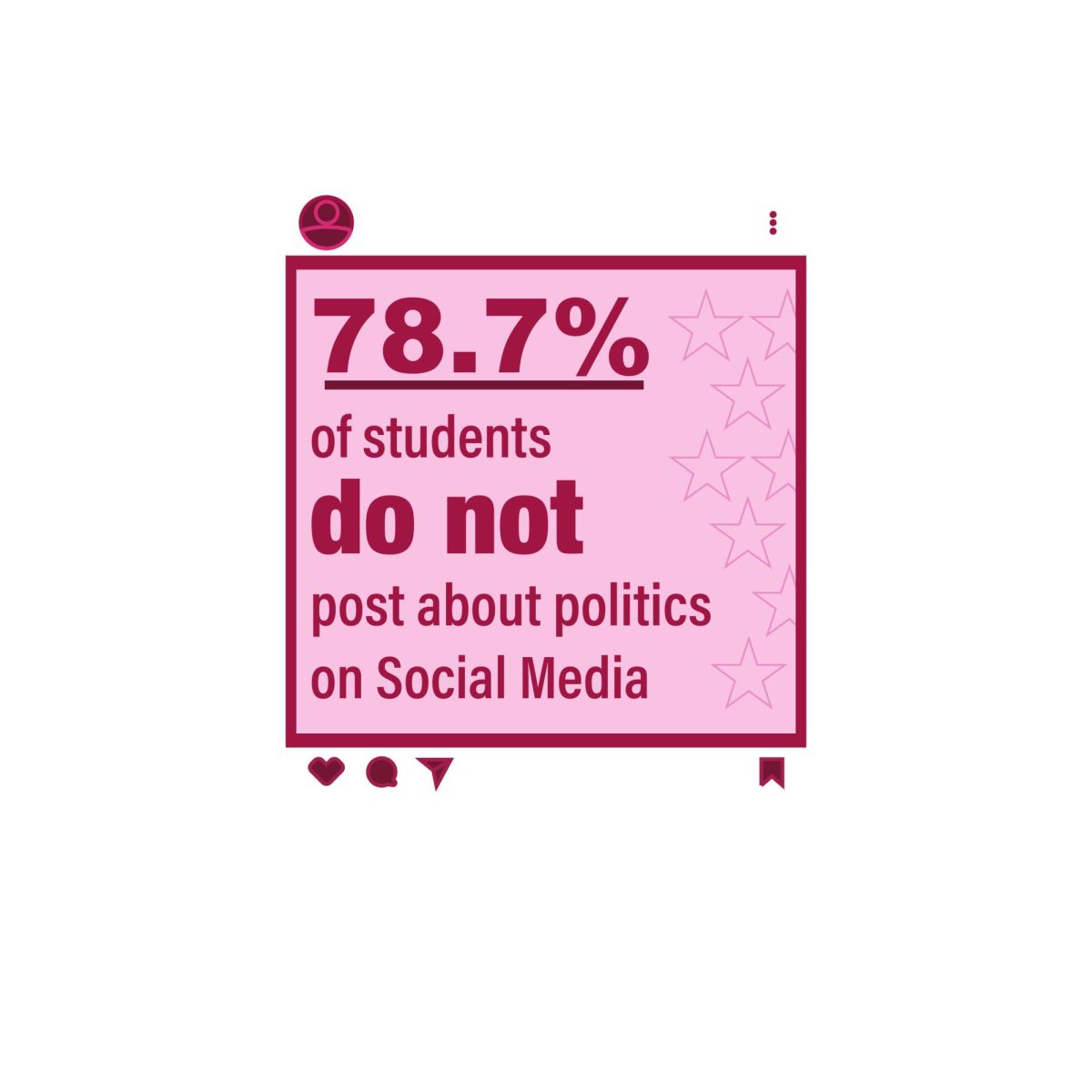
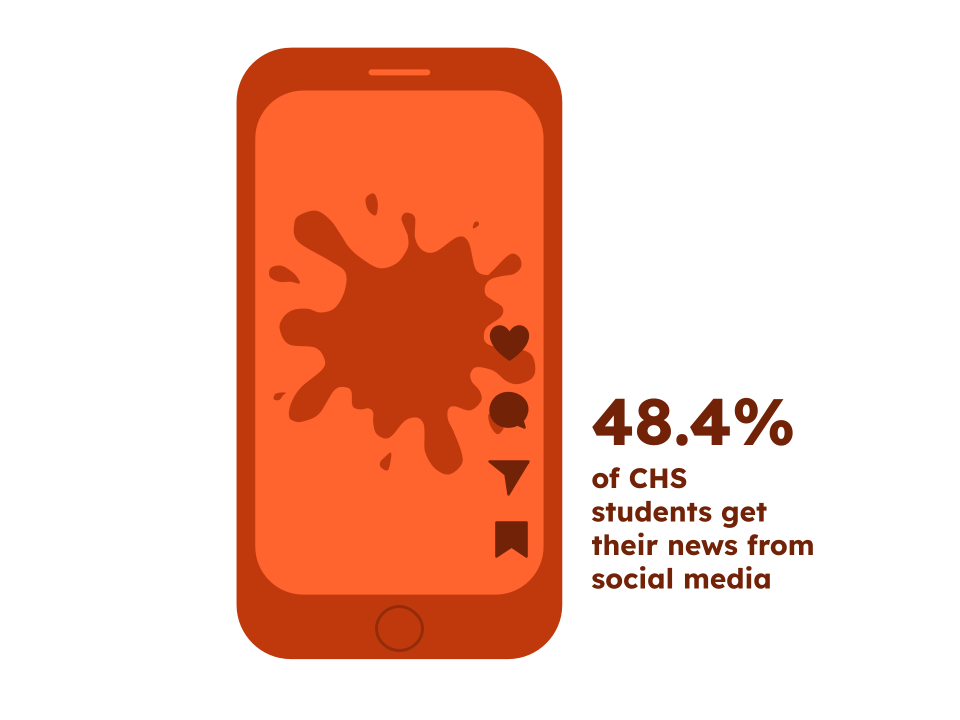
For many students—often those who invest their time in researching current events—this divide is a source of concern, especially with social media and the rise of disinformation in recent years.
“I think it’s really important to have an understanding of what’s going on in our world,” junior Sofie Grodman of Sea Bright said. “A lot of people get their information through social media, which is not a smart idea, and I think it gives people the wrong idea of what’s going on, and then they’re not as educated on what’s actually happening.”
In 2022, the Pew Research Center conducted a 12-question survey on international knowledge across multiple demographics. On average, those who reported an interest in the topics surveyed answered 7.4 out of 12 questions correctly, in contrast to those who did not and answered only 4.3 correctly.
“I’m not a part of any of the groups that are involved in any of the wars or conflicts outside [of the country,]” junior Nathaniel Bainbridge of Middletown said. “I have friends who are Jewish that care a lot more about the [Israeli-Palestinan] conflict because [they] and their family are more attached to the victims than I am.”
Although the average American’s foreign policy priorities may be shaped by the media they consume as well as their own interest, these differences may be reflective of the priorities of the education system and what is deemed essential to teach.
“I think the New Jersey standards for social studies are heavily geared toward American history—particularly around the revolution, the writing of the Constitution, things like that. You study it several times in your progression from fourth grade to twelfth grade,” World History teacher Courtney Conroy said. “I think that we shove a lot of world history into usually two years. I would love to see an expansion of world history standards.”
In light of recent events leading up to the detainment of Venezuelan president Nicolás Maduro, it appears more important than ever how citizens stay informed on foreign affairs as the political sphere remains ever-shifting under the Trump administration.
“I think it’s really important in the global community that we really understand the backstory for every society that we have in the world,” Conroy said.