

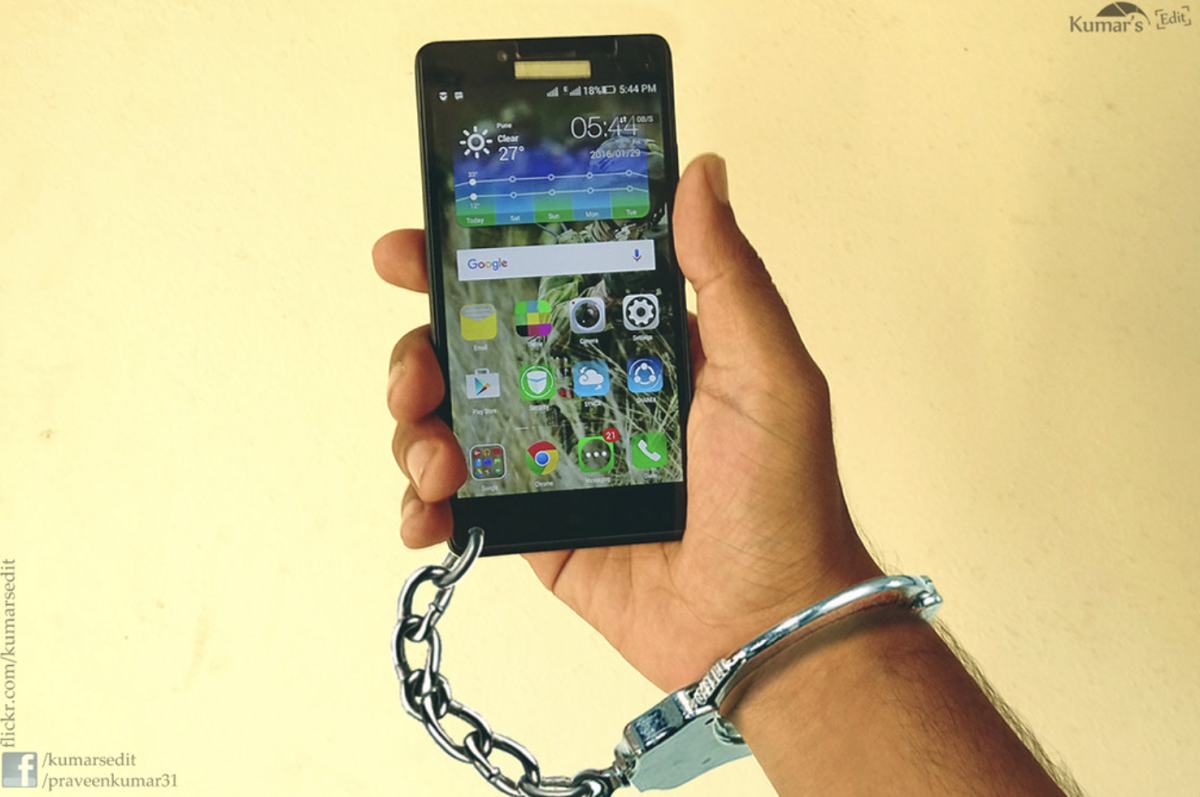
Technology has become man’s best friend. However, this beloved companion can simultaneously be mankind’s worst enemy; it all depends on the user.
Overreliance and repeated use of certain substances and activities can result in addiction. Moreover, addiction affects more than just physical health, exerting a powerful influence over the brain.
Addiction is a brain disease that results in a strong urge to use a substance or engage in an activity, often with lasting harmful effects. By targeting the brain, the rest of the body ultimately suffers. Addiction hijacks the brain by affecting its natural production of dopamine. Dopamine, commonly referred to as the reward chemical, helps create habits by signaling pleasure and encouraging repetition of certain activities.
Dr. Fan Wang—a neuroscientist, professor in the MIT Department of Brain and Cognitive Sciences and investigator at the McGovern Institute for Brain Research—comments on the role of dopamine within the brain.
“Dopamine’s role is just like reinforcement learning,” said Dr. Wang. “It makes the association of a [dopamine-releasing] action as something good, something that is rewarding.”
However, excessive stimulation of the brain’s reward system becomes harmful. Dr. Wang discusses the potential downfalls of immoderate dopamine.
“Wanting, itself, can be pleasant,” said Dr. Wang. “But too much wanting can be miserable, especially too much wanting without getting the final reward.”
With everything in life, there needs to be a balance. Repetition of activities that trigger large dopamine releases can lead to unhealthy patterns. When dopamine levels exceed the brain’s natural range, it reduces the brain’s number of signal receptors, making everyday experiences seem less rewarding and pushing the brain to seek stronger stimuli. This dangerous cycle of desire and temporary satisfaction affects a person’s focus, memory, and judgment. If this cycle of impulsivity is left unchecked, it can ultimately lead to addiction.
Addiction is a difficult obstacle to overcome, reinforced as a reflex or memory in the brain. While these urges can feel overwhelming, it is important to remember that the pain is temporary. The consequences on one’s well-being, however, are permanent.
Although addiction can come in many different forms, the most well-known cases are often stigmatized and frowned upon. However, most people don’t realize they have an extremely addictive object right in the palms of their hands: their cellphones.
Digital addiction is a less recognized addiction that is a growing epidemic throughout the world. When a person uses technology excessively, they may lose their sense of self. One may neglect their daily obligations and responsibilities in favor of using their devices, disregarding reality. Individuals with digital addiction may feel anxious or irritable without their devices, struggle to control their technology use, and continue using their devices despite negative consequences. This addiction could lead to serious problems, including social isolation, decreased productivity, financial difficulties or relationship problems.
Yet, technology has become unavoidable in today’s world. Continuous streams of notifications and updates make it difficult for people to ignore their screens.
Living in the digital era means growing alongside technology. Although technology can empower humans and make life convenient, it is up to each individual to manage their time when using these devices. While it may be impossible to avoid technology, it is important to recognize the signs of a screen addiction. Healthy use does not mean complete avoidance—it means temperance.