
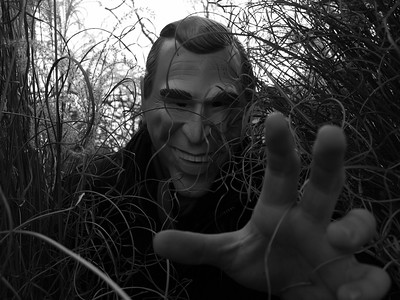
From “It” to “The Shining”, horror movies are loved by millions worldwide. As children across the globe settle down to watch one of these spooky films this autumn, they’ll be deeply impacted; some will love it, and some will be traumatized for weeks.
Because horror movies affect everybody differently, yearly controversy arises over whether or not kids should be included in this beloved Halloween tradition.
Horror movies, though scary, are not inherently harmful and can even benefit kids in some ways.
“Exposure to scary movies – in an age-appropriate fashion in which the child has control – can be a healthy way for some kids to learn to navigate associated fears,” Dr. Eric Storch asserts in an article by Baylor College of Medicine.
Storch goes on to say that fear is not inherently harmful. It is, after all, how humans identify danger and protect themselves. The real question is where the line is drawn between healthy fear and excessive anxiety.
Lingering fear is a common reaction from kids after watching a scary movie, amongst other effects such as anxiety, sleep disturbances, and desensitization.
“I went to a sleepover in elementary school. We watched The Sixth Sense, and I had nightmares for weeks,” Communications High School (CHS) English teacher Emily Soto said.
Being exposed to a horror movie before she was old enough might not have caused Soto extreme psychological damage, but it definitely disturbed her well-being and sleep schedule.
These short-term effects should be taken into consideration when discussing whether or not to expose children to horror movies, but some kids are impacted even further.
A University of Michigan study found that one in four participants still experienced residual anxiety from horror movies watched as a child, and 52% reported disturbances in normal behavior, such as sleeping or eating.
However, some CHS students believe that it is okay for children to watch horror movies under certain conditions. Senior Andrea Castaneda of Freehold voiced the differing circumstances when it comes to showing children these films.
“It depends on the kid, the parents, and what restrictions they want to place on their children,” Castaneda said. “I think it also depends on the movie.”
Sophomore Aya Chater of Holmdel further commented on the matter, saying that she believes there are alternatives for children who may not be able to handle more mature films.
“I think there’s definitely some age-appropriate kids’ horror movies,” Chater said.
Despite this, the risk of negative effects caused by horror movies is hard to ignore. According to the National Center for Biotechnology Information, some effects can lead to long-term issues, such as increased aggression, decreased empathy, and lasting phobias.
However, horror movies also have their benefits. Watching something scary while surrounded by others can create a bonding experience. In fact, many experts believe that horror movies can help children stimulate their imaginations and practice perspective-taking.
Ultimately, whether children should watch horror movies depends on the child and the circumstances. A mature child who loves scary stories could find many mild horror movies enjoyable, whereas an anxious child may be distressed for days or even years. Parental involvement is crucial, as guiding children to appropriate films and setting limits can make the difference between an exciting thrill and a lasting distress.
The answer is not a universal ban or unrestricted access but rather careful consideration of each child and situation. Horror movies can cause lasting psychological effects and irrational fears, but they can also be exciting and even beneficial when experienced responsibly.
What is truly horrifying is not the films people watch on Halloween, but the consequences of letting a child watch them too soon.